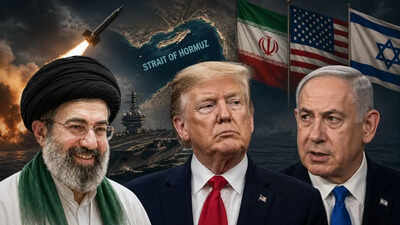
The United States and Iran are moving closer towards extending their fragile ceasefire by another 60 days, with mediators working on an interim agreement that could create the framework for wider negotiations on Tehran’s nuclear programme and regional security issues, according to a report by the Financial Times. People briefed on the negotiations told the newspaper that the proposed agreement includes the gradual reopening of the Strait of Hormuz, phased sanctions relief for Tehran, easing of the US blockade on Iranian ports and discussions over Iran’s stockpile of highly enriched uranium. The talks are aimed at preventing a renewed round of military confrontation between Washington and Tehran.Iranian foreign ministry spokesperson Esmael Baghaei said on Saturday that Tehran was discussing a “memorandum of understanding” to formally end the war as a first step before broader negotiations over the next 30 to 60 days.“We are now finalising this memorandum of understanding,” Baghaei said.The proposed extension comes amid fears that President Donald Trump could resume strikes on Iran if negotiations fail, potentially escalating a conflict that has already destabilised large parts of the Middle East.
What is reportedly included in the proposed agreement?
According to diplomats involved in the talks, one of the central elements of the agreement is the phased reopening of the Strait of Hormuz, a strategically crucial shipping route through which a major share of global oil exports passes. Gulf nations are particularly concerned that prolonged conflict could disrupt maritime trade and trigger fresh energy shocks worldwide.The agreement would also reportedly involve discussions over Iran’s stockpile of approximately 440 kilograms of uranium enriched close to weapons-grade levels. Washington wants Tehran to either dilute the material or transfer it elsewhere as part of a broader nuclear understanding.In return, the United States is expected to ease restrictions on Iranian ports and gradually move towards sanctions relief and unfreezing Iranian assets held overseas.
Why are the talks significant?
Mediators believe the 60-day extension could help stabilise the situation long enough for broader diplomatic negotiations to take shape. A diplomat briefed on the talks said progress was being made.“The deal seems to be going in the right direction. It’s with the Americans now for review,” the diplomat said.“Iranians are likely ready to give more on nuclear energy but won’t do it while the war is ongoing — this deal helps bridge the gap,” the diplomat added.The talks accelerated after Pakistani and Qatari negotiators held discussions with Iranian officials in Tehran on Thursday and Friday. Pakistan later said the negotiations had produced “encouraging progress towards a final understanding” between the US and Iran.The mediation effort reportedly involved regular contact with US envoy Steve Witkoff, while the Iranian delegation was led by parliamentary speaker Mohammad Bagher Ghalibaf and foreign minister Abbas Araghchi.
What are the sticking points?
Despite signs of diplomatic movement, deep disagreements remain unresolved. One of the biggest hurdles is Trump’s demand that Iran completely surrender any pathway towards nuclear weapons capability.The US president has reportedly insisted that Iran hand over its stockpile of highly enriched uranium and dismantle its three major nuclear facilities at Natanz Nuclear Facility, Fordow Fuel Enrichment Plant and Isfahan Nuclear Technology Center. These facilities were targeted during US strikes carried out after Washington joined Israel’s 12-day conflict with Iran last June.The enriched uranium is believed to remain buried beneath the rubble of those facilities, particularly at Isfahan.Iranian leaders, meanwhile, continue to insist they will not surrender their sovereign rights.Ghalibaf told Pakistani negotiators that Tehran would not retreat from its “rights”, especially while dealing with the United States, which “has not been sincere and cannot be trusted”.At the same time, he said Iran remained willing to pursue diplomacy to secure its “legitimate rights and interests”.Baghaei also cautioned that the negotiations remained fragile.“On one hand, we have the experience of the American side’s contradictory statements and shifting positions. They have put forth conflicting stances several times,” Baghaei said. “We cannot be completely certain that this approach will not change.”“On the other hand, the views [of the two sides] are getting closer, not in the sense that we have reached an agreement on such significant issues, but in the sense that we can reach a mutually satisfactory solution based on a set of parameters,” he added.
Why Gulf countries are worried
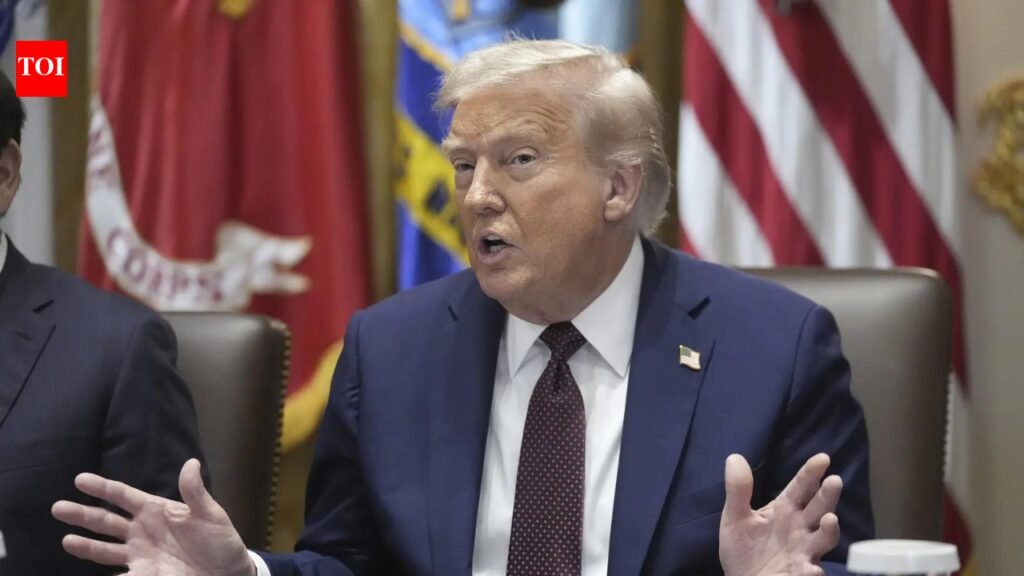
Regional powers including Saudi Arabia, Qatar and the United Arab Emirates are closely monitoring the talks because renewed conflict could destabilise the Gulf region and worsen the global energy crisis.Trump said earlier this week that the United States had postponed renewed attacks on Iran while “serious negotiations” continued. He added that Saudi Arabia, Qatar and the UAE had requested Washington to suspend military operations.Regional allies fear that if US-Israeli strikes resume, Iran could retaliate by targeting Gulf states and disrupting energy infrastructure and shipping routes across the region.